
When collaborations are discussed today, the conversation usually starts with hype, drops, queues, sold out. From a brand perspective, however, that is only one layer of the story and often the least interesting one.
What truly makes collaborations powerful is not the noise they generate, but the impact they have on perception. A strong collaboration can change how a brand is read, who it speaks to, and where it exists culturally without altering the core product or the brand’s fundamental values.
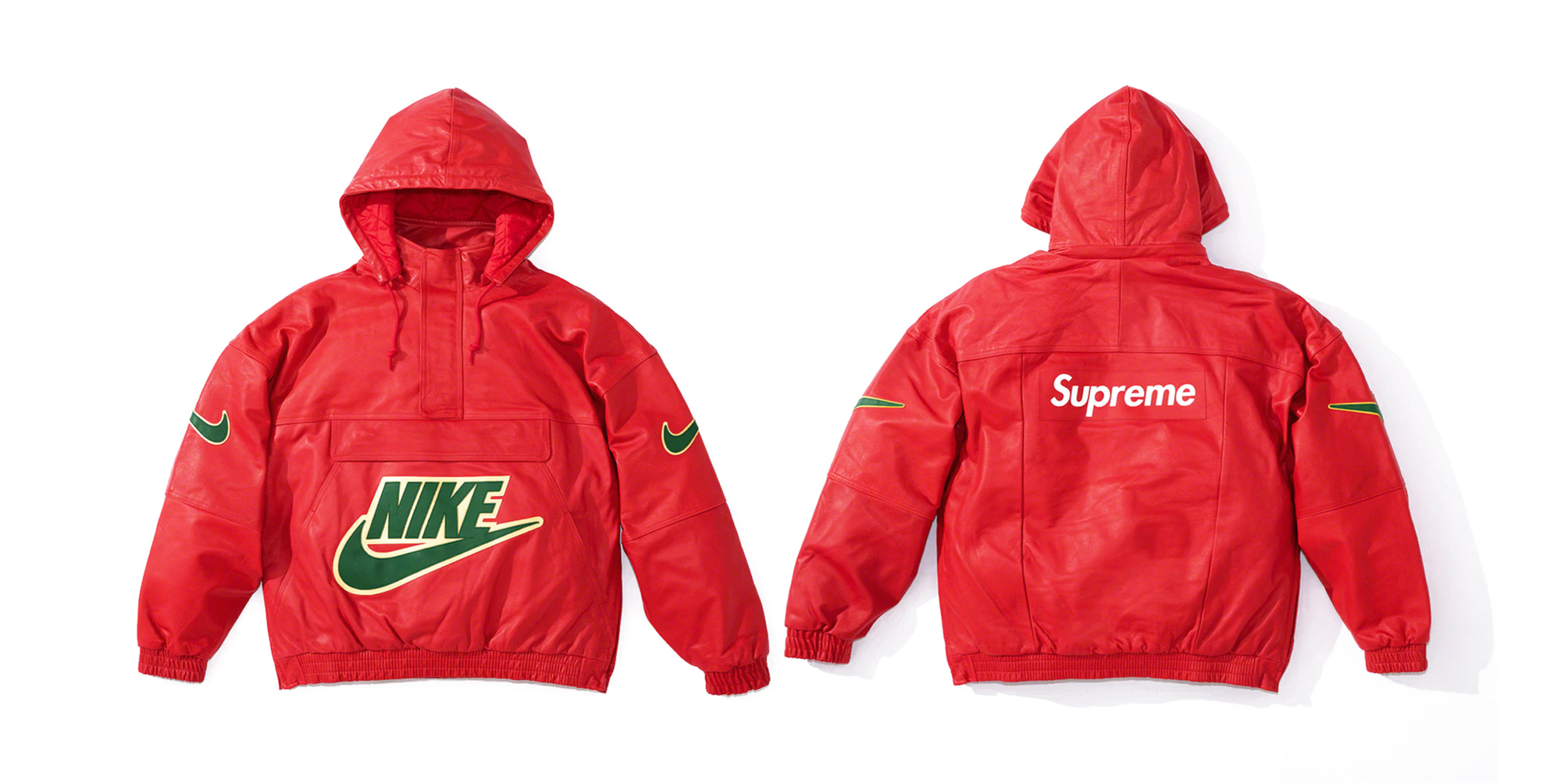
In the early 2000s, collaborations were not yet a standard tool. When Supreme first partnered with Nike in 2002, it didn’t feel like a campaign. It felt like a signal. Streetwear was still niche, and collaborations acted as a bridge between small but highly engaged communities. If you noticed them, you were part of the audience. If you didn’t, you simply missed them.
That dynamic has changed but the underlying mechanism has not.
Shared Audiences, Shared Meaning
From a branding perspective, collaborations are ultimately about shared space. Two brands bring their existing audiences together and create new intersections. In that overlap lies the real value.
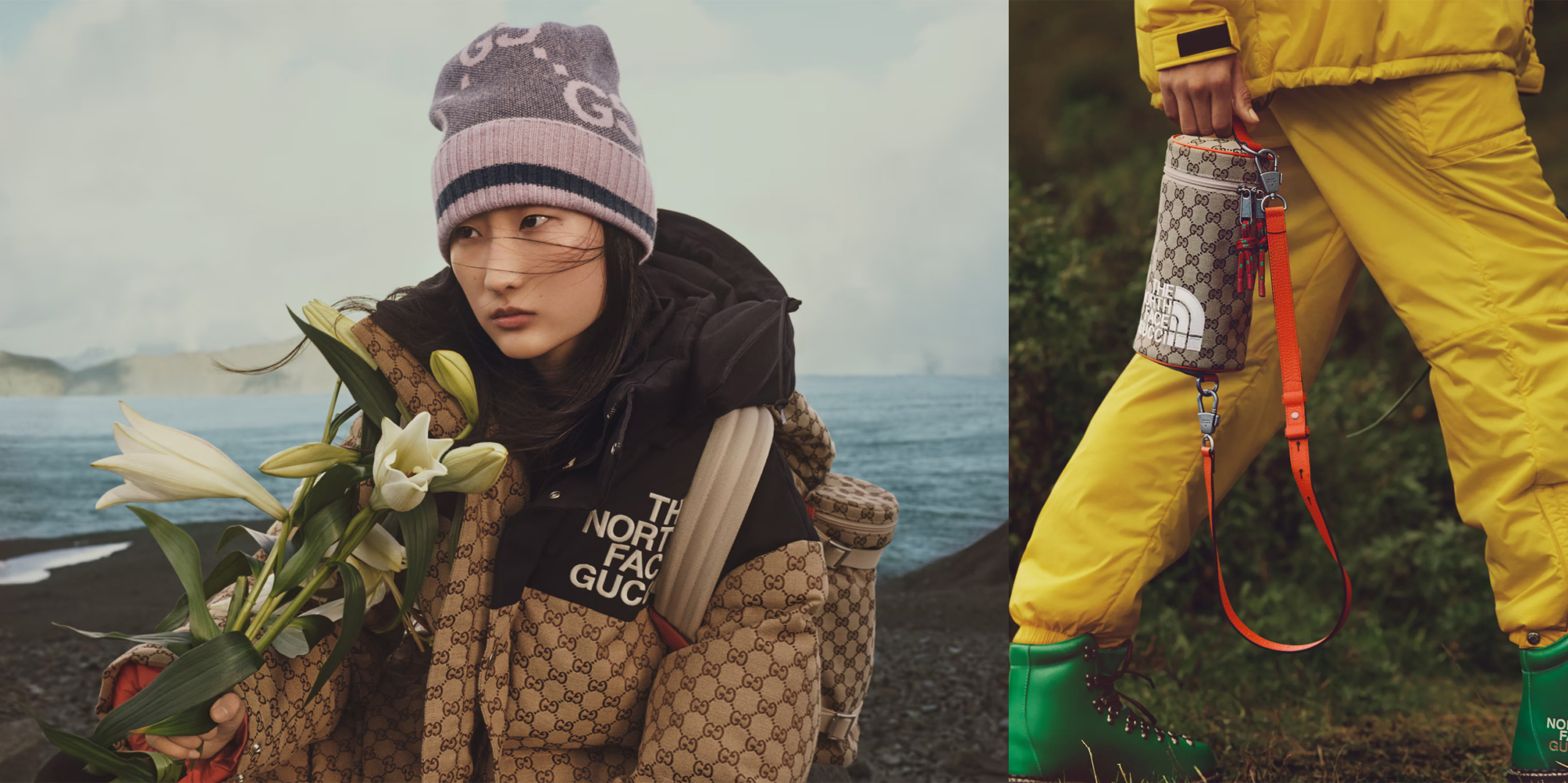
Luxury brands were early to understand how collaborations could connect audiences. Supreme x Louis Vuitton was not just a shock moment, but a cultural handshake. Streetwear gained institutional credibility, while luxury brands built relevance with a younger, more engaged audience. The North Face x Gucci worked in a similar way. A high-fashion perspective met outdoor apparel, signalling that street, lifestyle, and functional aesthetics could coexist in both worlds.
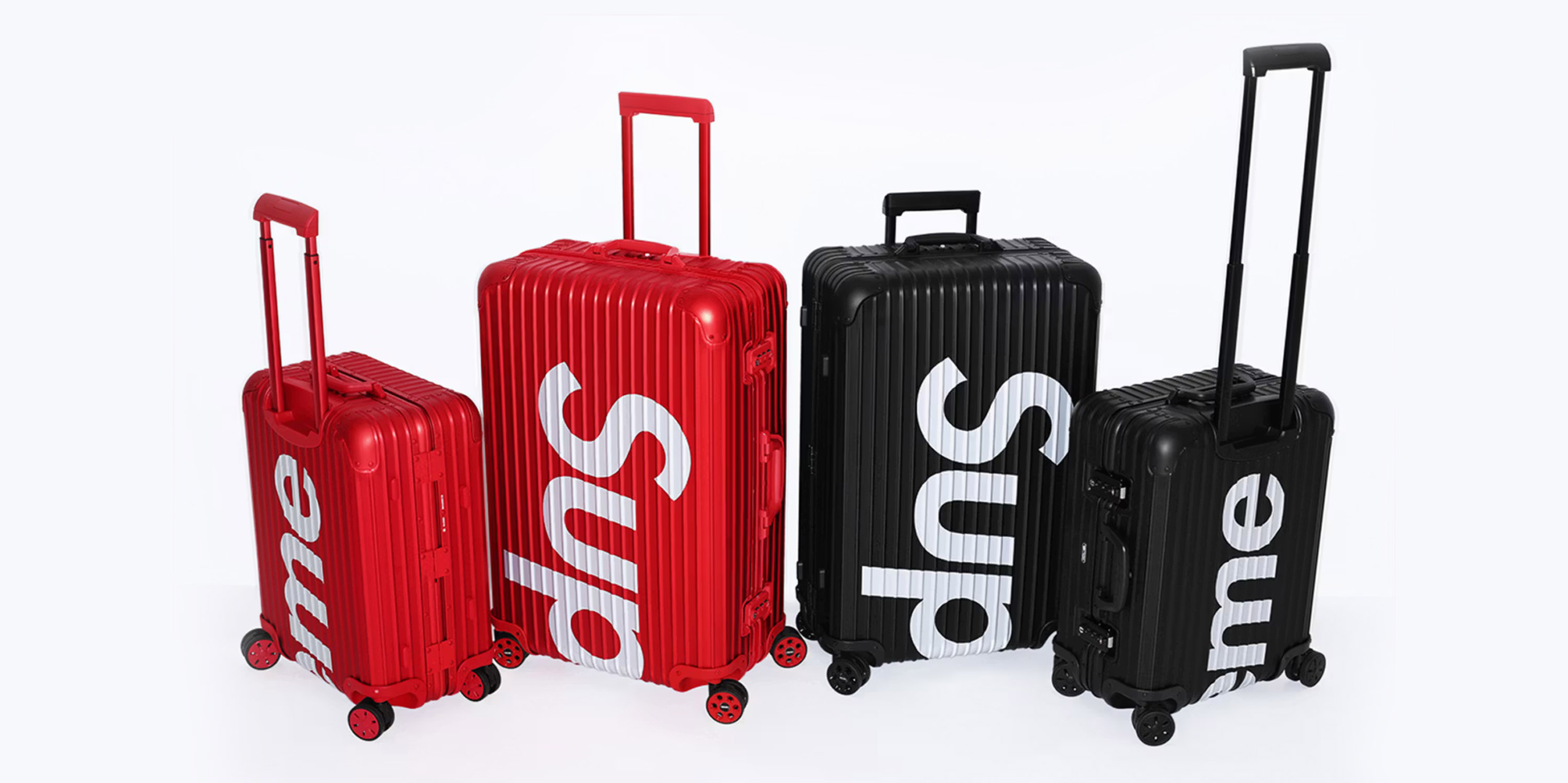
At the same time, collaborations allow functional or everyday brands to unlock new contexts and audiences. Rimowa x Supreme or Omega x Swatch staged luxury and performance products in more accessible, playful ways. The North Face x Bialetti went a step further. A kitchen classic was placed into an outdoor lifestyle context, creating a shared space that connected both brands with new audiences.



Crossing Categories Without Losing Identity
Some of the most impactful collaborations are those where brands from entirely different industries come together while sharing similar values. Porsche x La Marzocco is a strong example. Cars and coffee machines may seem unrelated at first glance, yet both brands stand for engineering, precision, and performance. The collaboration works not because it is surprising, but because it feels coherent.
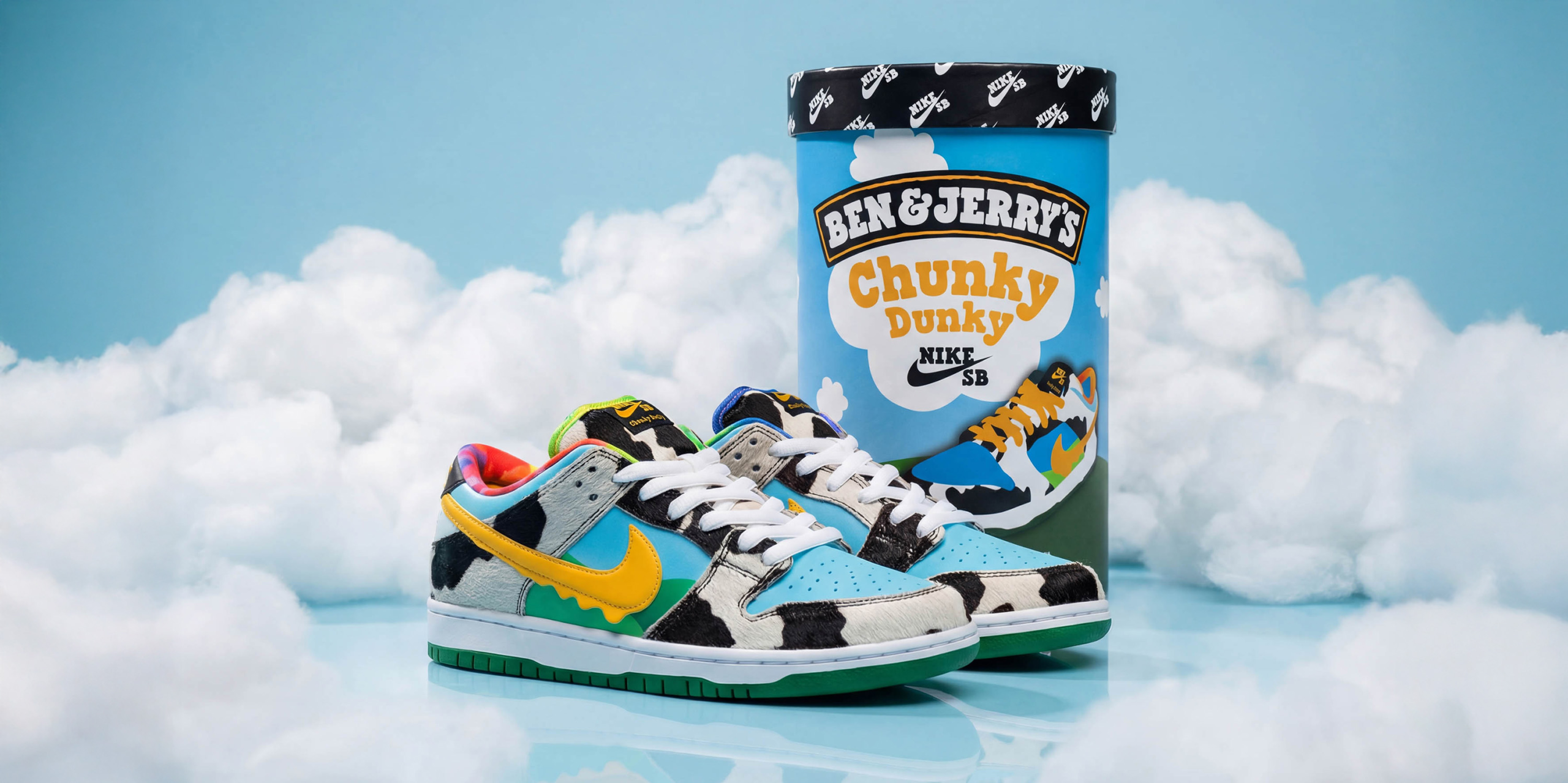
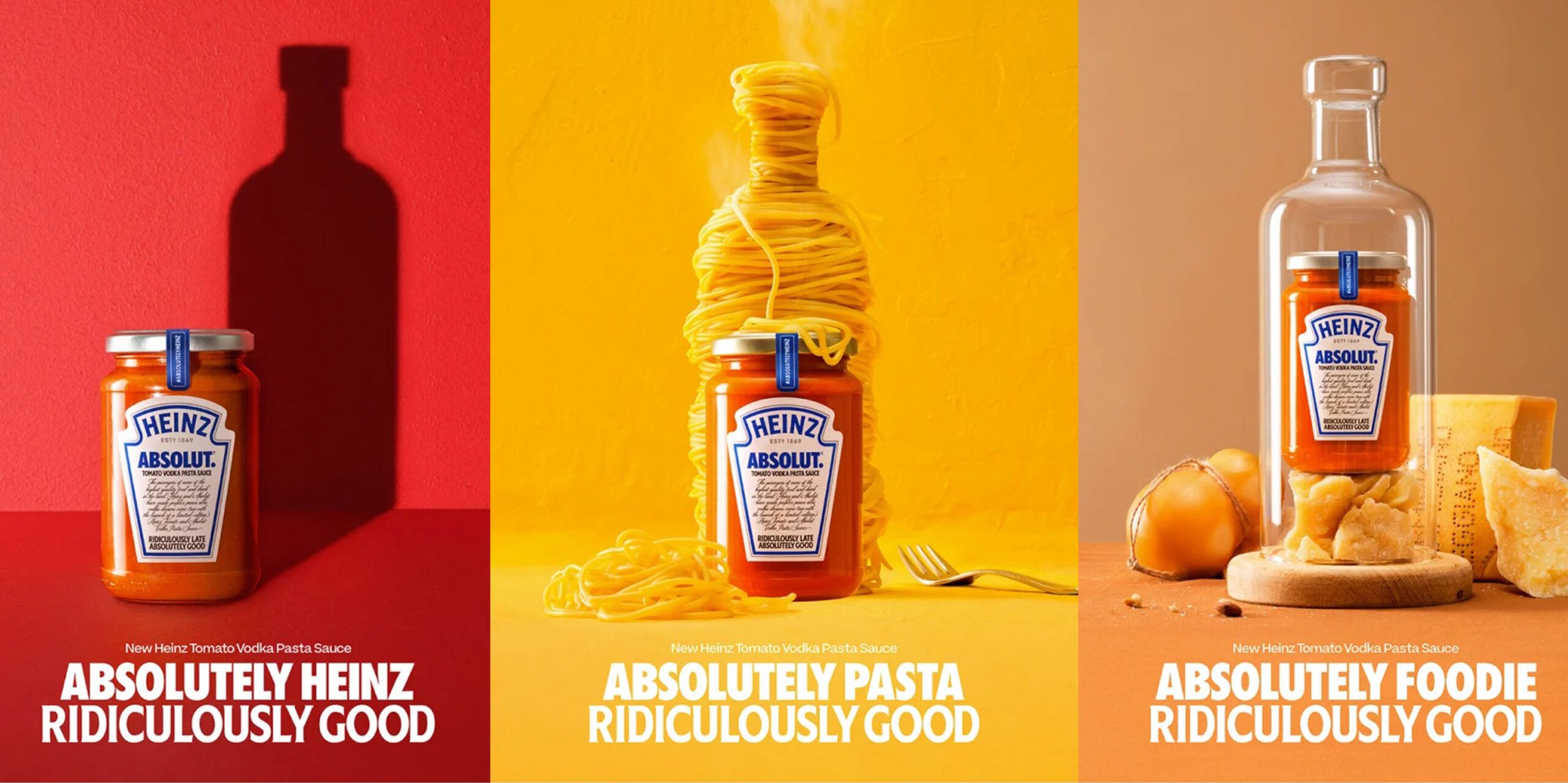
In the food and consumer goods space, this approach is often used more playfully. Heinz x Absolut shows how two global icons can come together without needing explanation. Nike x Ben & Jerry’s follows a similar principle. The connection through emotion and playfulness alone is enough to achieve cultural relevance.

Hype Is a Tool, Not the Goal
As collaborations become more common, the risk of saturation increases. When a partnership feels like a simple logo slap, two logos placed on a product without a deeper idea, audiences sense the arbitrariness. Hype only works when there is a reason behind it. Without a clear concept or shared narrative, attention fades quickly.
From a brand perspective, collaborations should be able to answer simple questions: Who are we addressing together? What space are we creating that didn’t exist before? Why does this make sense right now?
If there are no convincing answers, the collaboration feels forced regardless of the size of the names involved.
A Swiss Perspective: Zweifel x Aromat
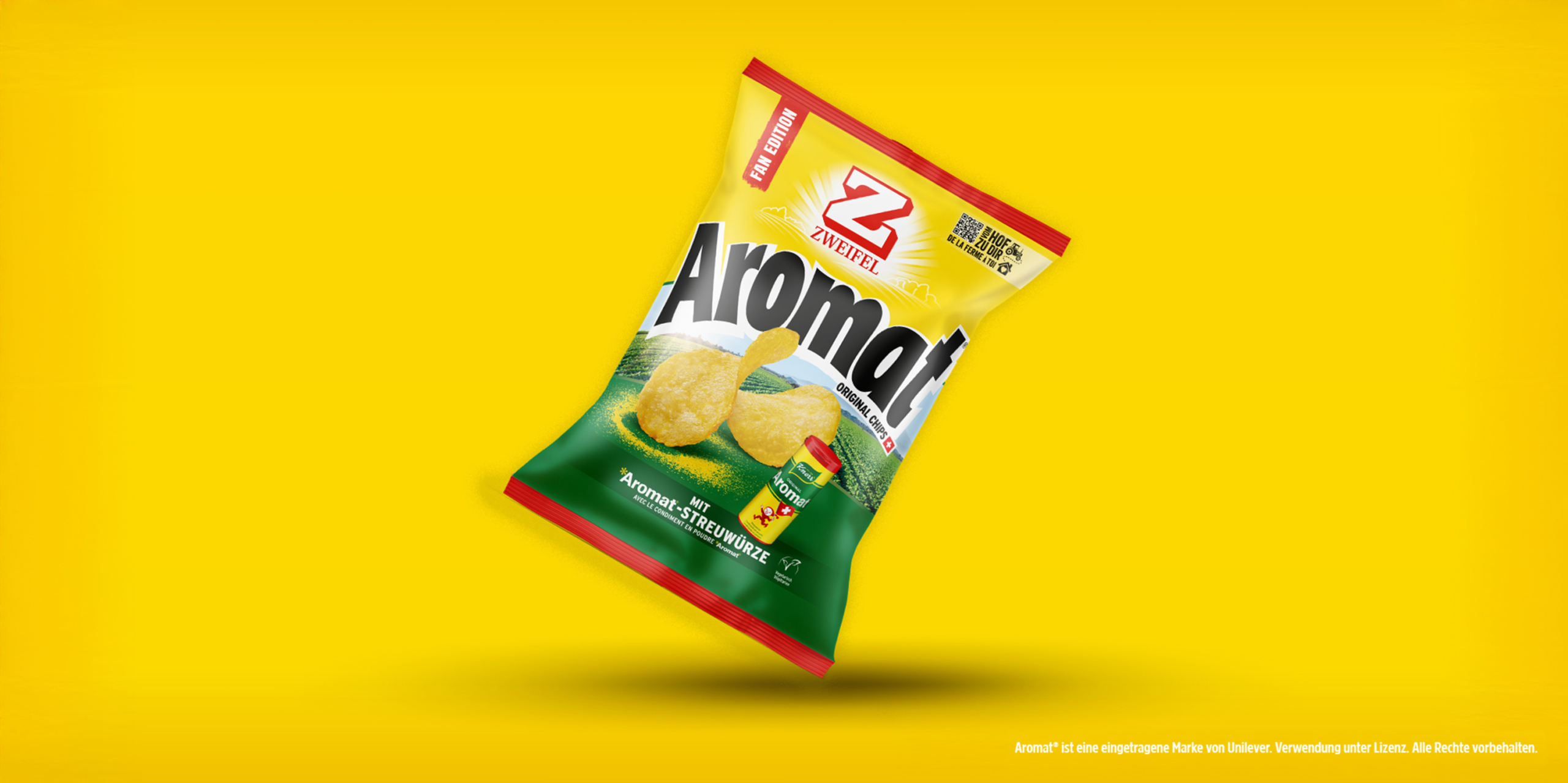
While global luxury brands often shape the hype-driven side of collaborations, local partnerships clearly demonstrate how emotional branding can be. For the Swiss market, Zweifel x Aromat is a perfect example. Two everyday icons come together not to impress, but to connect. The collaboration works because it taps into shared memories, trust, and national identity. It strengthens recognition, builds emotional proximity, and shows that relevance does not necessarily require global reach. By focusing on what already resonates locally, cultural closeness is created which is often more powerful than any hype-driven campaign.
Why Brands Keep Turning to Collaborations
At their best, collaborations help brands remain dynamic without losing clarity. They allow experimentation without long-term risk and open doors to new audiences while preserving the brand core.
Above all, they keep brands part of the conversation in cultural, visual and emotional contexts.
Collaborations do not mean becoming someone else. They mean being seen from a different perspective. And in a landscape where attention is fragmented and interchangeability is everywhere, that shift in perspective can make all the difference.
Interview: Florian Klein

Florian Klein is a Designer at distylerie. With a focus on narrative clarity and visual sensitivity, his work explores how thoughtful design can create connection in an increasingly automated world.
Editor: Luana Perotto
Article published on 27 February 2026